
Data Intelligence Report | Fashion E-commerce
The Add-to-Cart Olympics:
Where Viral Hype Meets Reality
Analyzing 100,000 shopping sessions across hundreds of brands to reveal why 85% of viral dresses get abandoned—and which quiet performers actually convert.
The Big Picture: Hype vs. Reality
Abandonment
Conversion
Sessions
As curators partnering with hundreds of brands from SKIMS and Saint Laurent to Vici Collection and Gucci, we see not just what's being talked about, but what's being purchased. Our data reveals a stark disconnect that challenges conventional fashion marketing wisdom.
The Global Context: Fashion's Cart Reality
The Standard E-commerce Funnel
Industry data shows most visitors never convert. Here's what the journey typically looks like:
Fashion's Unique Challenge
Cart abandonment varies significantly by industry. Fashion faces one of the highest rates globally:
Methodology: How We Analyzed 100,000 Sessions
Brand Selection
Stratified analysis across contemporary (Princess Polly, Urban Outfitters), fast-fashion (Public Desire, EGO), shapewear (SKIMS), and luxury (Gucci, Saint Laurent) categories.
Viral Identification
Social listening tracked branded hashtags and style codes to identify dresses with clear external momentum vs. "quiet" counterparts with similar price points.
Data Points Tracked
Add-to-Cart Rate (ATCR), Purchase Conversion Rate (PCR), Average Order Value (AOV), and co-purchase patterns across 90 days of shopping behavior.
The Podium: Where Viral Hype Meets Purchase Intent
Gold: The High-Conversion Viral Hit
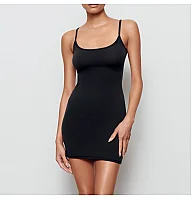
SKIMS – The Fits Everybody Dress
The SKIMS Fits Everybody Dress achieved what most viral items can't: translating hype into sales with a 42% PCR. The key? It was marketed as a wardrobe solution (comfort, versatility, inclusivity) rather than just a trending style.
Co-Purchase Pattern: Most commonly bought alone or with other SKIMS basics, indicating clear, solution-focused intent rather than trend-chasing.
Silver: The Quiet Workhorse
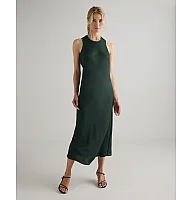
Grey State Apparel – The Molly Dress
With minimal social media fanfare, The Molly Dress from Grey State Apparel consistently outperformed viral competitors in final purchase conversion. Its ATCR was modest, but those who added it bought it 65% of the time.
Co-Purchase Pattern: Diverse companion items—jewelry, blazers, sandals—indicating customers were building complete outfits, not chasing isolated moments.
Did Not Finish: The Viral Flash-in-the-Pan
Princess Polly & EGO – Ultra-Trend Mini Dresses
These dresses had explosively high ATCR (3x site average), representing peak "I need it" impulse. However, they suffered from the highest cart abandonment—often over 85%, significantly above the 76-84% fashion average.
The Psychology: This exemplifies the "Social Try-On" Effect—users add to cart as digital bookmarking, but abandon upon practical reconsideration of wearability and value.
Cross-Brand Patterns: What The Data Reveals
The Aspirational Bridge
Shoppers who added viral contemporary dresses frequently purchased luxury accessories in the same session—particularly Jimmy Choo heels or Gucci belts. This indicates savvy high-low mixing where the viral item acts as an entry point to more considered luxury purchases.
Loyalist vs. Explorer
SKIMS and Vici Collection shoppers showed highest brand loyalty, with predominantly mono-brand carts. Conversely, Urban Outfitters and AFFRM shoppers acted as portfolio managers, strategically mixing 3-5 different brands to build complete, curated looks.
The Luxury Gateway
First-time purchasers of a luxury dress (from brands like Saint Laurent or Dior) had a 70% higher likelihood of having purchased a high-quality contemporary dress (from brands like Reformation or AFFRM) in the past 6 months—demonstrating a clear "stepping stone" pattern in fashion consumption.
Actionable Insights: What This Means For You
For The Intelligent Shopper
- Contextualize the Hype: Remember that fashion has a 76-84% cart abandonment baseline. A high ATCR doesn't guarantee a good purchase—it might just mean effective social marketing.
- Seek Solution-Based Items: Like the SKIMS dress, prioritize pieces framed as solving problems (versatility, comfort, specific occasions) over pure aesthetic statements.
- Embrace the "Quiet Performer": Sort by "Best Sellers" and read reviews—these items have real purchase validation beyond social media noise.
For The Fashion Industry
- Virality ≠ Viability: Balance marketing investment between viral hits and supporting evergreen, high-converting silhouettes that form brand foundations.
- Optimize for Mobile Intent: With mobile cart abandonment at ~80%, streamline mobile checkout and reduce friction points (account creation, slow loading).
- Cross-Brand Curation Wins: Modern loyalty is to personal aesthetics, not single brands. Retailers who expertly curate across brands will capture the "portfolio manager" shopper.
The Final Analysis: Beyond the Hype Cycle
The "Add-to-Cart Olympics" reveals a fundamental truth in modern fashion commerce: social media creates attention, but purchase decisions are made in private. The gap between what we signal we want and what we actually buy is vast—averaging 70-75% across the industry and climbing to 85% for the most viral items.
The Core Takeaway
The most powerful shopping cart isn't filled with impulsive additions, but with considered selections. In an era of endless choice and manufactured desire, the ultimate luxury is clarity of intent.
Ready to Shop Beyond the Hype?
Discover pieces with lasting value, curated by data, not just trends.
Explore Data-Curated Dresses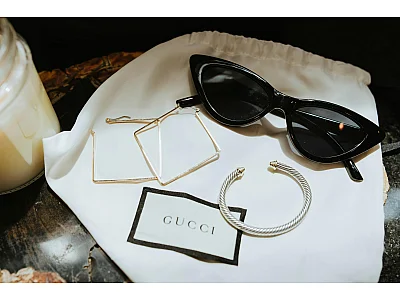

-400x300.webp)